
Mad Men
Jon Hamm
Elisabeth Moss
Vincent Kartheiser
January Jones
Christina Hendricks
John Slattery
Aaron Staton
Rich Sommer
Robert Morse
Created by:
Matthew Weiner
Drama
2007-2015
AMC
TV-14
“Mad Men,” a period drama created by Matt Weiner, who wrote for and produced “The Sopranos,” became a TV classic even before its final episode aired. While watching the second half of its seventh and final season, I couldn’t helping thinking about this show on a higher level: how it deals with the past, present, and future through the perspectives of its characters. Each character struggles to reconcile the past in the present in order to create a future that makes sense. I don’t think that the characters simply strive to be happy. No, they strive to live a life that they can hold onto, a life that they can live with.
This show was never simply about its time period, though it’s easy to watch it that way. It also has a lot to say about what’s going on right now. How far have we come? Is that far enough? There will always be struggles, and there will always be change. How do we handle that?
At the end of the final episode, there’s hope: Pete seems to have reclaimed his life; Joan seems to have found hers; Roger begins to embrace old age; Peggy begins to embrace her role at work and in love; Betty seems determined to live on her own terms, while Sally seems determined to grow up and beyond her parents; and Don, once again, rises out of the ashes.
But then, that last moment happens. (I won’t spoil it for anyone who hasn’t seen it yet.) What does that moment mean? Is it a wholesale rejection of any semblance of meaning in life? Or is it simply an honest reflection of how life works? In many ways, culture is the response to the past, our primitive past. It’s a way to protect us from the hardships of that past while deriving meaning from it for the future. Creativity springs from that tension, and “Mad Men” ended with it. In life, we’re constantly selling something, whether we know it or not, and we’re constantly changing. That’s what this show taps into. The question is: To whom are we selling, and does the selling negate the meaning? Or can we have it both ways? Must we have it both ways?
Verdict: Great
About: (Source: madmen)
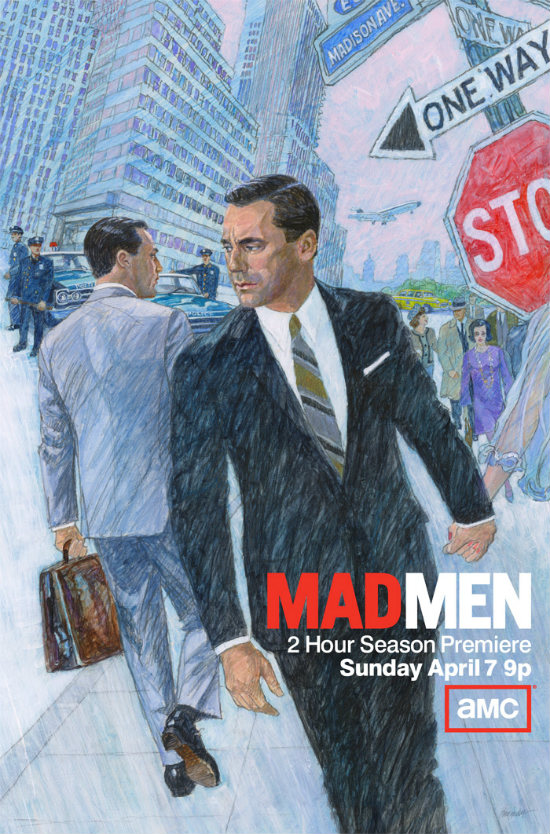
The series revolves around the conflicted world of Don Draper (Hamm), the biggest ad man (and ladies man) in the business, and his colleagues at the Sterling Cooper Draper Pryce Advertising Agency. As Don makes the plays in the boardroom and the bedroom, he struggles to stay a step ahead of the rapidly changing times and the young executives nipping at his heels. The series also depicts authentically the roles of men and women in this era while exploring the true human nature beneath the guise of 1960s traditional family values.


